
Source and contamination check
We ask where the water originated, how long it has been present and what materials or contaminants it may have contacted.
Water extraction and drying support for suitable carpet losses, with the water source, underlay, subfloor and contamination risk considered before cleaning begins.
Local specialist care
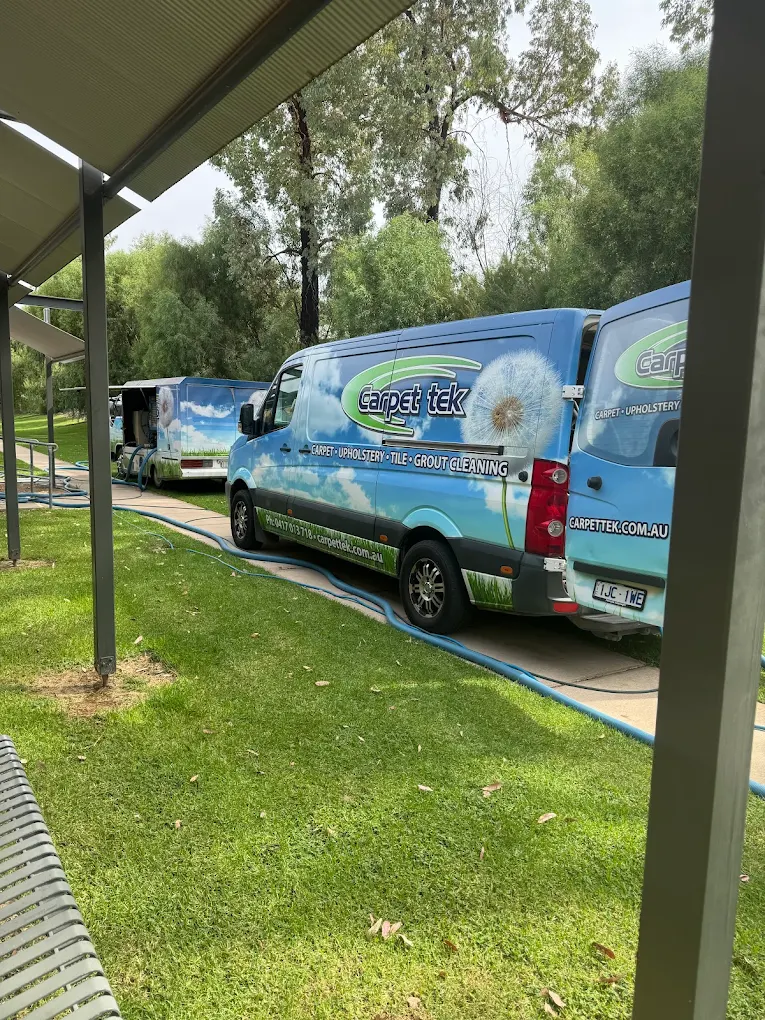
Based in Mildura and serving homes and businesses across Sunraysia and surrounding districts.
A burst flexi hose, appliance overflow, roof leak or accidental spill can soak through carpet quickly. Even when the pile feels only damp, the backing, underlay, smooth-edge timber and subfloor may be holding more water underneath. Acting early can improve the chance of saving suitable materials and reduce secondary damage, but the correct response begins with identifying where the water came from.
Carpet Tek assesses the affected area, likely water category, time since loss, visible damage and moisture beyond the face fibre. Where the incident is within our carpet-cleaning scope and safe to handle, the response may include extraction, access to the underlay, cleaning of suitable carpet and drying support. The exact approach depends on how far water has travelled and whether materials can be dried effectively.
Clean water from a recent plumbing failure is very different from sewage, stormwater, river flooding or water that has stood long enough to become contaminated. Major losses, electrical hazards, structural materials and contaminated water require appropriately equipped restoration specialists and sometimes an insurer-appointed team. We keep the service description honest and will not treat every wet carpet as an ordinary steam clean.
Why professional care matters
We ask where the water originated, how long it has been present and what materials or contaminants it may have contacted.
The carpet backing, underlay, edges and accessible subfloor are considered because a dry-feeling surface does not confirm complete drying.
Suitable recoverable carpet can receive focused water removal to reduce retained moisture before further cleaning or drying steps.
We explain when carpet or underlay may be recoverable and when contamination, deterioration or structural involvement calls for replacement or referral.
What we can help with
Calling early and describing the source accurately helps determine whether Carpet Tek or a broader restoration response is appropriate.
Assess recent clean-water escape affecting carpet, underlay and accessible adjoining floor materials after the plumbing source is isolated.
Extract and evaluate suitable carpet while considering detergent, appliance residue and how far water travelled from the original room.
Respond to suitable clean-water losses once power, plumbing and access are made safe by the relevant trades.
Assess local carpet impact after the entry point is stopped, with walls, insulation and structural damage referred where necessary.
Remove significant clean-liquid spills from suitable carpet and check whether the underlay needs access or additional drying.
Clean suitable carpet after a qualified restoration process where moisture targets are met and contamination status is understood.
Our approach
The source, safety and spread are established before salvage or cleaning is discussed.
We establish whether the flow has stopped, whether electrical or structural hazards exist and whether the source may be contaminated.
Carpet, backing, underlay, edges and accessible adjoining materials are checked to understand how far moisture is likely to have travelled.
We explain what falls within carpet extraction and cleaning, what may need removal and when a certified restoration provider or insurer should lead.
Where safe and suitable, recoverable carpet receives water extraction and the agreed access or airflow steps to support thorough drying.
We explain outstanding moisture concerns, underlay or repair needs, cleaning timing and any specialist monitoring or reinstatement still required.
Sewage, river or storm flooding, long-standing water, hazardous substances, electrical risks and structural saturation require a qualified restoration response. Materials that cannot be cleaned and dried properly may need disposal. Carpet Tek will narrow the scope or refer the job rather than imply extraction alone makes a contaminated property safe.
Questions customers ask
Straight answers help you plan the job properly. We will confirm the method, likely outcome and drying or return-to-use advice after inspection.
Sometimes. Source, contamination, response time, carpet construction, underlay, floor type and the ability to dry every affected layer determine salvageability. Clean water addressed promptly offers a different prospect from sewage, floodwater or prolonged saturation.
As soon as it is safe to do so. Mould and material damage become more likely as dampness continues. Stop the source if you can do so safely, avoid electrical hazards, contact your insurer where relevant and call with an accurate description.
It depends on material, contamination, duration and whether it can be accessed and dried thoroughly. Some clean-water incidents may be recoverable; contaminated, deteriorated or persistently wet underlay often is not. The surface of the carpet is not enough to decide.
Moisture or contamination may remain in the backing, underlay, smooth edge, subfloor, skirting or wall cavity. Odour can also become stronger in warmth or humidity. The source and full affected footprint need assessment instead of adding fragrance to the surface.
These losses carry higher contamination and safety risks and are not treated as an ordinary carpet clean. They may require containment, personal protective equipment, removal of porous materials, structural drying and verification by an appropriately qualified restoration team.
For a significant insured loss, contact the insurer promptly and follow its instructions while taking safe steps to prevent further damage. For a small recent clean-water incident, call us with the source, size, timing and affected materials so we can advise on scope.
Related services