
Moisture history first
We ask when growth appeared, what became wet, whether the source was repaired and whether the material has dried fully.
Inspection-led mould treatment for suitable carpet and soft furnishings, with clear limits when moisture, building materials or widespread contamination need other specialists.
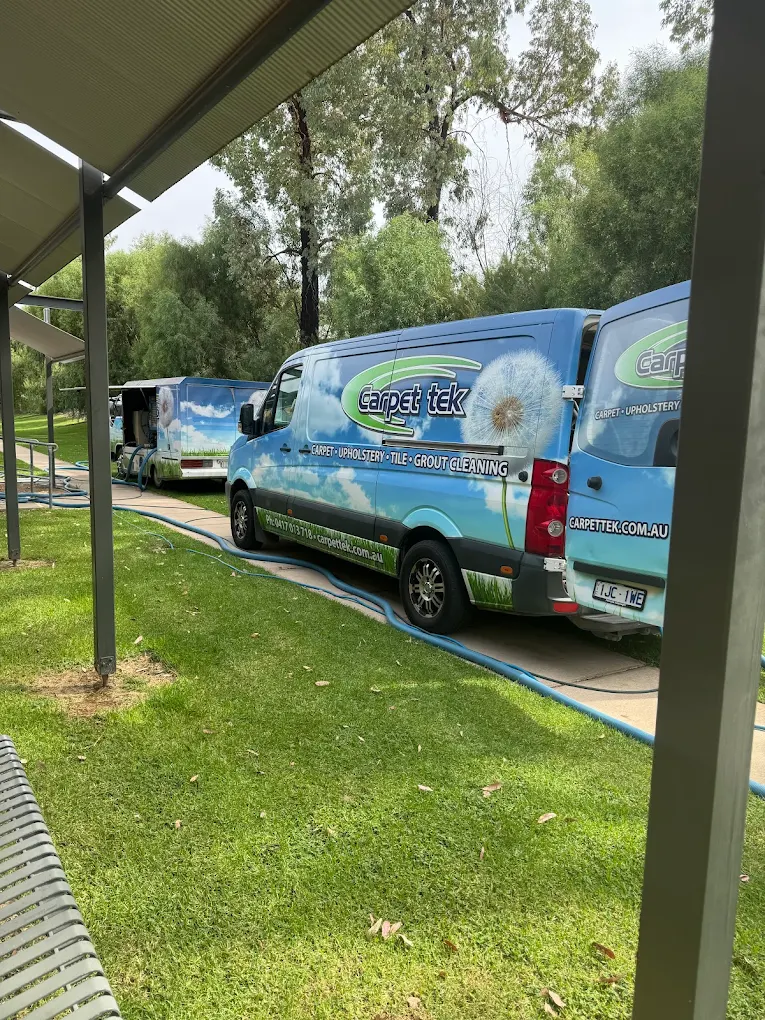
Local specialist care
Based in Mildura and serving homes and businesses across Sunraysia and surrounding districts.
Visible spots and a musty smell often draw attention first, but mould growth means moisture has been available somewhere in the material or room. The cause may be a leak, previous flooding, condensation, inadequate ventilation or dampness moving from another part of the building. Cleaning the visible surface without addressing that condition can leave the same problem ready to return.
Carpet Tek assesses suitable carpet, rugs and upholstery within our cleaning scope. We ask about the water history, inspect the material and consider whether contamination appears localised or may extend into underlay, walls, skirting, flooring or cavities. Where the soft furnishing can be treated and dried appropriately, we explain the proposed cleaning scope and its limitations before work begins.
Whole-building mould remediation is a specialist discipline. Widespread growth, unknown hidden contamination, repeated moisture, damaged plasterboard, insulation, timber or sewage-related loss can require a plumber, roofer, builder, occupational hygienist or certified restoration provider. We do not diagnose health conditions, promise a permanently mould-free property or use a surface treatment as a substitute for repairing the source.
Why professional care matters
We ask when growth appeared, what became wet, whether the source was repaired and whether the material has dried fully.
Carpet, suitable rugs and upholstery are checked for extent, condition and whether cleaning and controlled drying are realistic.
Hidden cavities, structural materials, extensive contamination and unsafe water losses are referred rather than folded into a routine clean.
We reinforce leak repair, drying, ventilation and humidity control because treatment cannot compensate for ongoing moisture.
What we can help with
Assessment determines whether the item fits our cleaning scope, needs specialist remediation or should be discarded.
Assess a defined area after a leak or spill, including the likelihood that backing, underlay or the floor beneath is affected.
Investigate whether residual dampness or hidden contamination may be contributing rather than covering the smell with deodoriser.
Inspect localised surface growth on compatible upholstery and determine whether filling or framing makes treatment impractical.
Assess fibre, backing, dye stability, spread and moisture history before deciding whether our process or a rug specialist is appropriate.
Treat suitable soft materials after the source has been repaired and the area has been properly dried and made safe.
Identify signs that point beyond textile cleaning and explain which type of building, restoration or environmental professional may be needed.
Our approach
We establish cause, extent and material suitability before discussing a treatment outcome.
We ask about leaks, floods, condensation, ventilation, previous treatment, recurrence and any repairs already completed.
Visible spread, odour, condition and likely penetration into backing, filling, underlay or adjacent surfaces are considered.
We determine whether suitable textile cleaning is reasonable or whether containment, material removal, testing or structural remediation should come first.
Where appropriate, the agreed cleaning method targets removable contamination while controlling moisture and avoiding unnecessary disturbance.
The item must dry fully. We review remaining concerns and reinforce source repair, airflow and monitoring rather than promising treatment prevents recurrence.
Widespread or recurring mould, hidden cavities, structural materials, sewage contamination and unexplained moisture require appropriately qualified assessment. Porous materials that cannot be cleaned and dried properly may need removal. Anyone with health concerns should seek advice from a healthcare professional, not a marketing page or cleaning technician.
Questions customers ask
Straight answers help you plan the job properly. We will confirm the method, likely outcome and drying or return-to-use advice after inspection.
Mould needs moisture. If a leak, condensation, poor ventilation, high humidity or damp building material remains, new growth can recur even after visible residue is removed. Finding and correcting that condition is an essential part of a lasting response.
No. A small, recent clean-water incident is different from widespread growth, sewage, prolonged saturation or contamination through underlay and subfloor. Condition, source, extent and the ability to dry all layers determine whether cleaning or disposal is appropriate.
Not every small visible patch needs laboratory testing, but repeated, widespread, hidden or disputed contamination may benefit from an independent occupational hygienist or environmental professional. Carpet Tek does not use unnecessary testing claims to diagnose a building or its occupants.
Colour alone does not reliably identify a mould species or determine risk. All visible indoor growth deserves appropriate moisture control and cleanup. People who experience symptoms or have individual health vulnerabilities should seek medical advice from a qualified healthcare professional.
No treatment can substitute for removing unsuitable contaminated material, cleaning the affected surfaces and correcting moisture. A spray or mist alone does not repair a leak, dry a wall cavity or guarantee that growth will not return.
The source determines the trade: a plumber for leaking plumbing, roofer for roof entry, builder for damaged materials, or qualified restoration provider or occupational hygienist for broader contamination. We can explain when the problem falls outside our textile-cleaning scope.
Related services